Ambulance Service in Hebbal
- Jaswanth srinivas
- Nov 19, 2024
- 2 min read

Ambulance Service in Hebbal : A Lifeline in Emergency Medical Care
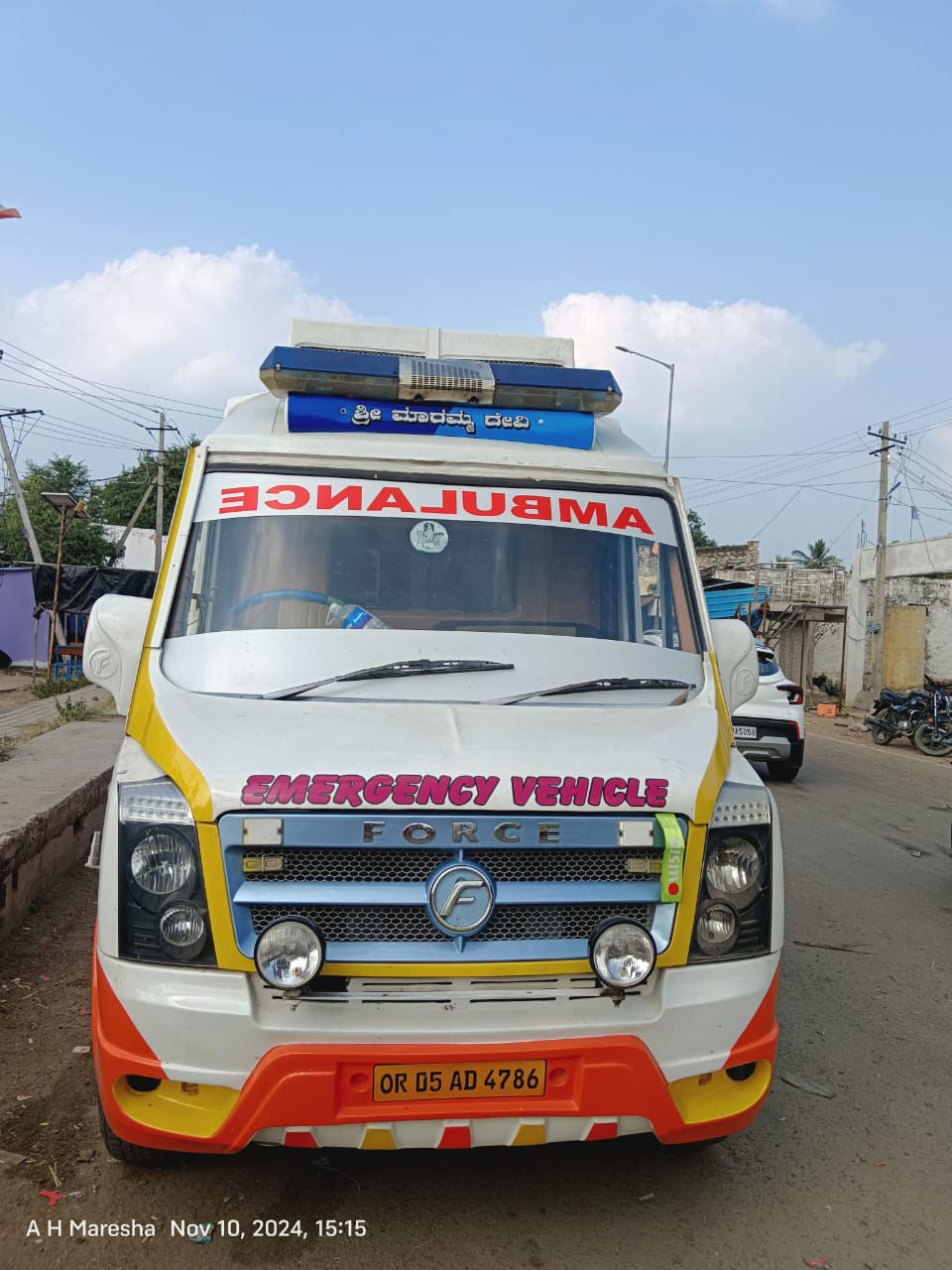
Ambulance Service in Hebbal play a critical role in modern healthcare systems, serving as the frontline response to medical emergencies. These services provide rapid transportation of patients to healthcare facilities while delivering essential pre-hospital care. The speed, efficiency, and expertise associated with ambulance services can often mean the difference between life and death. Below, we explore the importance, types, and functions of ambulance services.
Importance of Ambulance Services
Ambulance services are a vital part of emergency response systems, offering immediate medical assistance during emergencies such as heart attacks, accidents, strokes, or other critical health events. They are staffed with trained paramedics or emergency medical technicians (EMTs) who administer life-saving interventions on-site and during transit. These services bridge the critical gap between the scene of an emergency and the hospital, ensuring timely care for patients.
Types of Ambulance Services
Ambulances are categorized based on their functionality and the level of care they provide:
Basic Life Support (BLS) Ambulances These are equipped with basic medical tools and staffed by EMTs. They handle non-critical cases like fractures, minor injuries, and patient transfers.
Advanced Life Support (ALS) Ambulances Equipped with advanced medical technology, including defibrillators, ventilators, and ECG monitors, ALS ambulances are staffed by paramedics trained to handle critical conditions.
Air Ambulances For emergencies requiring rapid transport over long distances, helicopters or fixed-wing aircraft are used. They cater to remote areas or specialized care needs.
Neonatal and Pediatric Ambulances These are specially designed for the safe transportation of infants and children, often equipped with incubators and child-specific medical devices.
Mortuary Ambulances These are used for transporting deceased individuals and are equipped for respectful handling.
Functions of Ambulance Services
Ambulance services are more than just a means of transportation. Their key functions include:
On-Site Medical Care Paramedics and EMTs provide initial medical treatment, stabilizing patients before they reach the hospital.
Emergency Response Ambulances are equipped with GPS and communication systems to navigate quickly and efficiently to emergency sites.
Inter-Facility Transfers Patients are often transported between healthcare facilities for specialized treatment or diagnostics.
Disaster Response Ambulance services play a crucial role during natural disasters, accidents, or pandemics, providing immediate medical aid and evacuation.
Technology and Training in Ambulance Services
Modern ambulances are equipped with cutting-edge technology, such as portable ventilators, defibrillators, and telemedicine devices that allow real-time consultation with doctors. Staff undergo rigorous training in trauma care, cardiopulmonary resuscitation (CPR), and advanced life support techniques to handle diverse medical scenarios.
Challenges Faced by Ambulance Services
Despite their importance, ambulance services face challenges like traffic congestion, lack of adequate funding, and insufficient trained personnel in some regions. Addressing these issues is essential to ensure optimal efficiency and reach.
Conclusion
Ambulance services are a cornerstone of emergency medical care, providing timely and critical support to save lives. Governments and healthcare organizations must continue investing in advanced equipment, training, and infrastructure to enhance the effectiveness of these life-saving services.


Comments