Ambulance Service in Vidyaranyapura
- Jaswanth srinivas
- Dec 16, 2024
- 2 min read

Updated: Dec 20, 2024
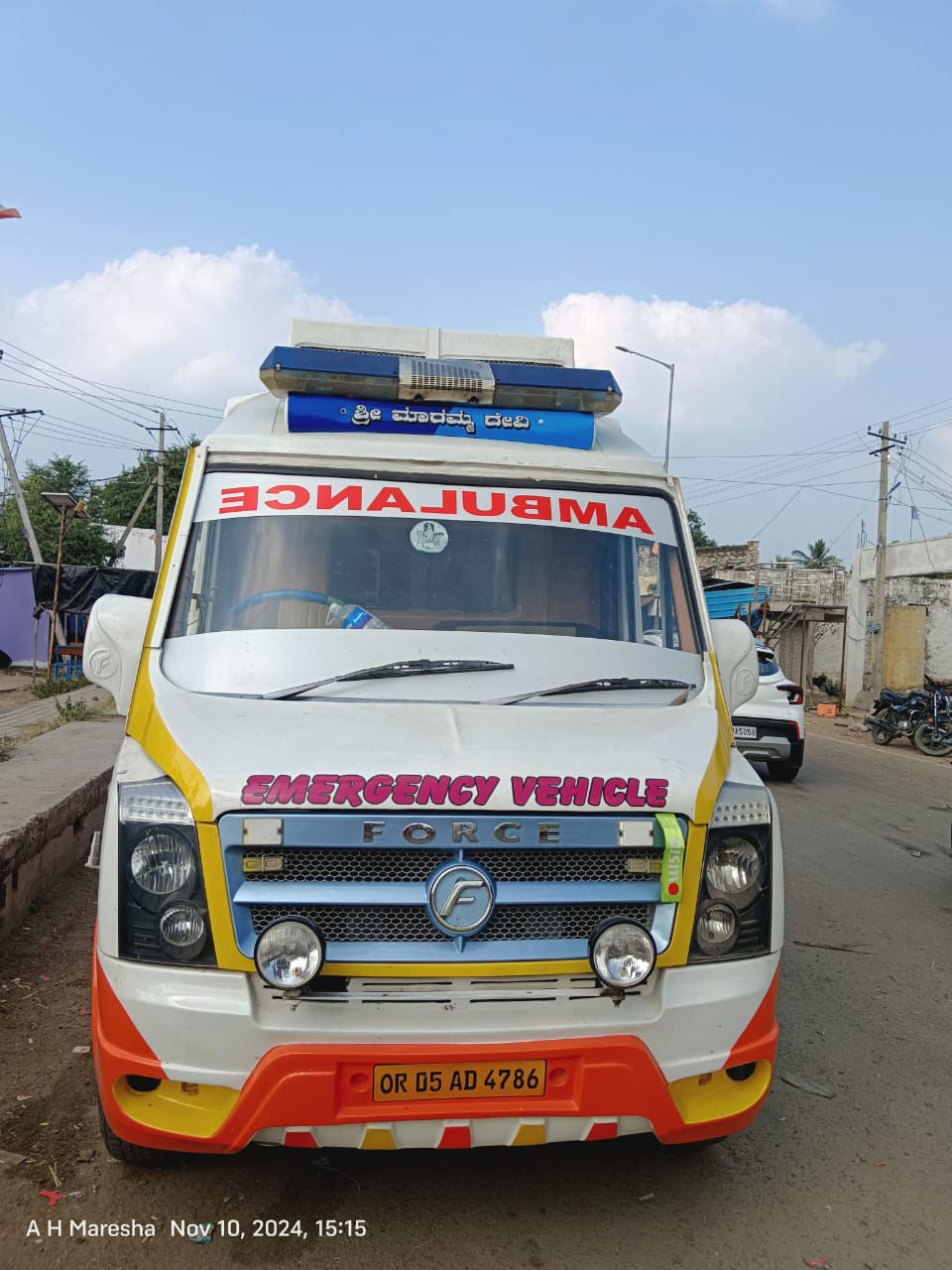
Ambulance Service in Vidyaranyapura
Ambulance Service in Vidyaranyapura play a critical role in saving lives by providing immediate medical care and transportation during emergencies. They are the cornerstone of pre-hospital care, ensuring that patients receive timely and professional assistance. Whether responding to accidents, medical emergencies, or critical illnesses, ambulance services are essential for stabilizing patients and improving outcomes.
Types of Ambulance Services
Ambulance services can be broadly categorized into several types based on the nature of emergencies:
Basic Life Support (BLS):BLS ambulances are equipped to handle non-critical situations. They provide essential medical support, including oxygen, first aid, and monitoring during patient transport.
Advanced Life Support (ALS):ALS ambulances cater to critical emergencies requiring advanced medical equipment and trained paramedics. They are equipped with defibrillators, ventilators, intravenous fluids, and medications.
Air Ambulances:Air ambulances are used for long-distance transport or in areas where road access is difficult. These include helicopters or fixed-wing aircraft staffed with medical professionals.
Neonatal Ambulances:Designed specifically for newborns, these ambulances are equipped with incubators and other specialized equipment to transport critically ill or premature babies.
Mortuary Ambulances:These are used to transport deceased individuals, ensuring a dignified and respectful transfer.
Importance of Ambulance Services
Ambulance services are the first link in the chain of survival during medical emergencies. Their significance includes:
Rapid Response: Ambulances are designed to respond quickly, often within minutes, to emergency calls. This swift action is crucial in time-sensitive situations like heart attacks, strokes, or trauma.
On-Site Medical Care: Trained paramedics and emergency medical technicians (EMTs) provide immediate care, stabilizing patients before they reach the hospital.
Safe Transport: Ambulances ensure that patients are transported safely to medical facilities, reducing the risk of complications.
Specialized Support: From neonatal care to cardiac emergencies, ambulances cater to diverse medical needs with specialized equipment and staff.
Challenges in Ambulance Services
Despite their importance, ambulance services face several challenges:
Traffic Congestion: In urban areas, heavy traffic can delay response times, affecting patient outcomes.
Limited Resources: In rural or remote areas, a shortage of ambulances and trained personnel can lead to delays in care.
Cost Barriers: For some patients, the cost of ambulance services can be prohibitive, deterring them from seeking help during emergencies.
Future of Ambulance Services
Technological advancements are transforming ambulance services. Innovations like telemedicine, GPS tracking, and automated dispatch systems are enhancing efficiency and response times. Additionally, governments and organizations are focusing on expanding coverage in underserved areas and subsidizing costs to make services more accessible.
Conclusion
Ambulance services are an indispensable part of healthcare, serving as a bridge between emergency situations and hospital care. By addressing existing challenges and embracing technological advancements, the efficiency and accessibility of ambulance services can be further improved, ensuring that every life in need is given the best chance of survival.


Comments