Ambulance Service with Professional Drivers
- Shridhar GK

- Jun 23, 2025
- 3 min read
Contact : +91 9900099923
In the busy city of Bangalore, the speed at which an ambulance can reach a patient can mean the difference between life and death. Traffic congestion and delays are common, making the role of professional drivers in ambulance services more important than ever. When every second counts, the experience and abilities of these drivers can directly improve patient outcomes. This blog post examines how professional drivers enhance ambulance services in Bangalore, highlighting their training, experience, and positive influence on healthcare delivery.
The Importance of Professional Training
Professional drivers in the ambulance service receive comprehensive training that goes well beyond basic driving skills. They learn how to follow emergency protocols, navigate through heavy traffic, and quickly identify the best routes to hospitals.
For example, a driver trained in emergency driving techniques can reduce response times by up to 30%. They are taught to remain calm under pressure and to act promptly in unexpected situations. In addition to driving, they understand how to use the vehicle’s medical equipment effectively, which can be critical when handling patients in distress.
Having this level of competency ensures that drivers can transport patients safely and efficiently, which is crucial in a city like Bangalore where every second can matter immensely.
Navigating Bangalore's Traffic
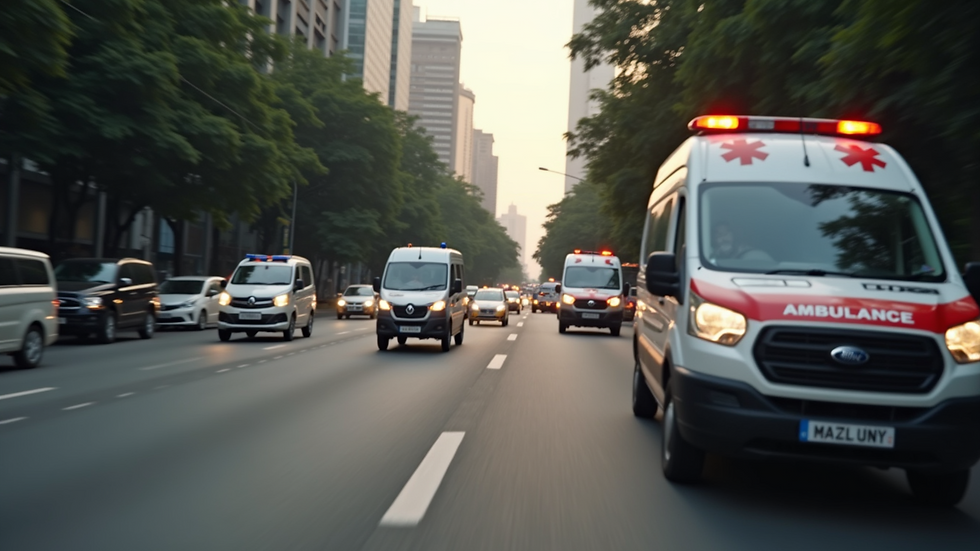
Bangalore's heavy traffic presents unique challenges for ambulance services. Professional drivers play a vital role in successfully navigating these congested routes.
With extensive experience, they can proactively plan their journeys. For instance, they might take lesser-known back roads during peak traffic hours to avoid delays. This expertise can cut travel time significantly. Studies show that ambulances taking alternative routes can reach their destinations up to 20% faster during peak traffic times.
Moreover, skilled drivers can effectively communicate with traffic authorities when necessary. This ensures they maintain forward momentum and reach their destination with as few interruptions as possible.
Enhancing Patient Comfort and Safety
Professional drivers also contribute significantly to patient comfort and safety during transport. Their training prepares them to handle patients with care, especially those in critical condition who may need special monitoring or support.
A calm and steady driver can dramatically improve the experience for both the patient and their family. For example, studies indicate that patients transported in well-managed ambulance rides report lower anxiety levels, which can promote better overall health outcomes.
Additionally, the reassurance that comes from being cared for by a competent professional helps patients and families feel more secure during a stressful time.
Collaboration with Medical Personnel
The collaboration between professional drivers and medical personnel is essential in providing effective emergency medical services. A driver's ability to work closely with paramedics and healthcare staff can greatly enhance patient care.
They need to maintain open communication with the medical team about the patient’s needs and the types of medical equipment being used. For instance, if a patient requires oxygen or monitoring equipment during transport, both the driver and paramedics must work in sync for a seamless experience.
This cooperation ensures that patients receive immediate medical attention as soon as they arrive at the hospital, leading to better health outcomes.
Technology Integration
Advancements in technology have made a significant impact on ambulance services. Professional drivers are now equipped with GPS systems and mobile applications that help them navigate effectively.
Using real-time traffic data, they can choose the best routes, avoiding congested areas and ensuring rapid response times. For instance, an effective route planning system can lead to a 15% increase in on-time arrivals at hospitals.
Furthermore, tracking systems allow better coordination between ambulance services and healthcare providers, which can improve patient management during emergencies.
Community Awareness and Trust
When professional drivers are visible in the community, it fosters trust. More people feel reassured knowing that trained drivers are available when emergencies arise.
Initiatives to enhance public awareness about the role of professional drivers in ambulance services can improve understanding and encourage quicker responses in medical emergencies. For example, community workshops or informational campaigns can increase the willingness of citizens to call for help when needed, leading to quicker interventions and better health outcomes.
In Closing
The pivotal role that professional drivers play in ambulance services in Bangalore cannot be overstated. Their rigorous training, navigation skills, and collaboration with medical personnel all significantly impact patient outcomes.
As the demands of healthcare continue to evolve, the importance of these skilled professionals will only grow. Investing in quality drivers ensures that ambulance services can effectively address critical healthcare needs, ultimately saving lives and improving community health.
With Bangalore rapidly expanding, the need for efficient and professional ambulance services becomes ever more crucial. By prioritizing their training and resources, these drivers will continue to enhance the city’s healthcare framework, underscoring the vital contributions they make to emergency medical services.


Comments