Ambulance Services in Nelamangala
- Jaswanth srinivas
- Dec 9, 2024
- 3 min read

Ambulance Services in Nelamangala: Ensuring Timely Medical Care
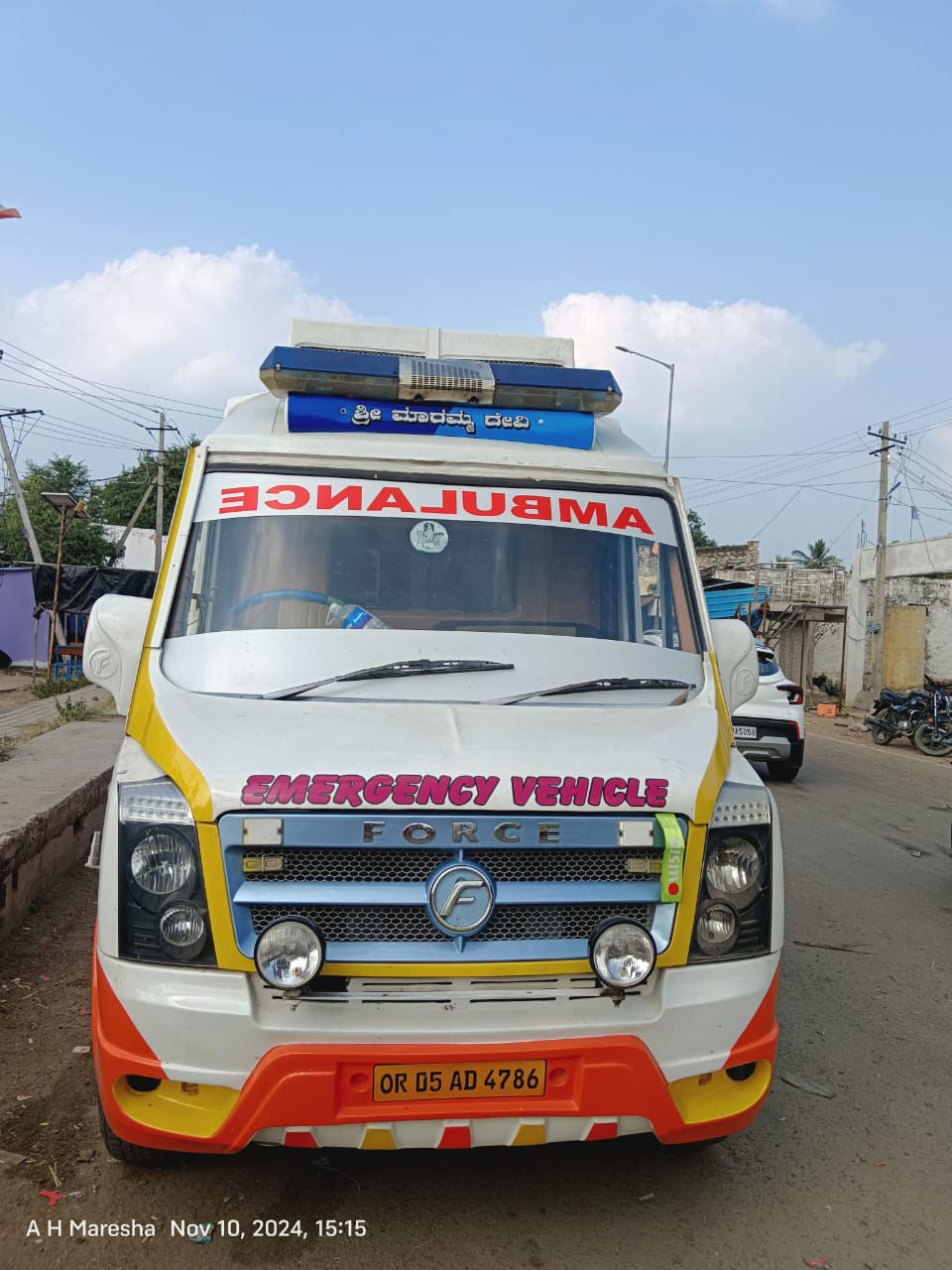
Ambulance Services in Nelamangala are a critical component of healthcare infrastructure, offering rapid and efficient transportation for individuals facing medical emergencies. These services not only transport patients from one location to another but also provide essential pre-hospital care that can be life-saving. The efficiency and speed of ambulance services can make the difference between life and death, emphasizing the importance of having well-organized and reliable emergency medical services.
Types of Ambulance Services
Basic Life Support (BLS) Ambulance: This type is equipped with essential medical supplies and staffed by trained Emergency Medical Technicians (EMTs). BLS ambulances are suitable for transporting patients with non-life-threatening conditions or those who need routine medical care during transportation.
Advanced Life Support (ALS) Ambulance: ALS ambulances are equipped with more sophisticated medical equipment and are manned by paramedics or critical care personnel. These services are essential for transporting patients experiencing serious or life-threatening health crises that require continuous medical attention.
Emergency Medical Services (EMS) Ambulances: These are typically utilized for acute medical emergencies and are equipped with advanced technology and medical gear to provide treatment en route to a hospital. They can offer CPR, defibrillation, and other critical care procedures as needed.
Specialized Ambulance Services: Some ambulances are designed for specific types of emergencies, such as neonatal or pediatric services, which require specialized equipment and training. There are also bariatric ambulances equipped to transport overweight or obese patients comfortably and safely.
Importance of Ambulance Services
Ambulance services play a vital role in maintaining public health and safety. In emergencies, swift and effective response can reduce the severity of an illness or injury and improve patient outcomes. Ambulance services also play a critical role in disaster response, providing urgent medical care and facilitating patient transport during natural disasters, accidents, and large-scale emergencies.
Key Features of Quality Ambulance Services
24/7 Availability: A reliable ambulance service should be available at all hours to respond to emergencies, regardless of the time of day or night.
Trained Medical Personnel: Ensuring that the staff in ambulances, whether EMTs or paramedics, are well-trained in advanced first aid and emergency medical care is critical for providing quality service.
Well-Equipped Vehicles: Modern ambulances should be equipped with life-saving medical equipment such as oxygen, stretchers, defibrillators, and basic medical supplies to provide immediate care during transport.
Efficient Communication Systems: Effective ambulance services use GPS tracking and real-time communication with hospitals to optimize response times and ensure that the receiving facility is prepared for the patient’s arrival.
Hygiene and Safety Protocols: Ambulance vehicles should be kept clean and disinfected regularly to maintain hygiene and ensure the safety of patients and healthcare providers.
How to Choose Ambulance Services
Selecting the right ambulance service depends on various factors, including the type of medical emergency, the distance to be covered, and the urgency of the situation. Here are some considerations:
Service Coverage: Ensure that the ambulance service covers the required area and can reach you quickly in an emergency.
Reputation and Reviews: Check reviews and ratings from previous users to gauge the reliability and efficiency of the service.
Cost and Insurance: Verify the cost of services and whether the ambulance service accepts insurance or other forms of payment, making it easier to manage expenses during medical crises.
Accreditation and Certification: Confirm that the ambulance service is licensed and complies with local regulations for healthcare and emergency services.
Conclusion
Ambulance services are a cornerstone of effective healthcare, especially in emergencies. Whether it's for basic transport or advanced care in critical situations, having a reliable ambulance service nearby can be a life-saving resource. Always ensure that the ambulance service you choose is well-equipped, staffed by trained professionals, and available around the clock to guarantee that immediate care is provided when needed most.


Comments