Best Ambulance Service in Bangalore
- Jaswanth srinivas
- Dec 13, 2024
- 2 min read

Best Ambulance Service in Bangalore
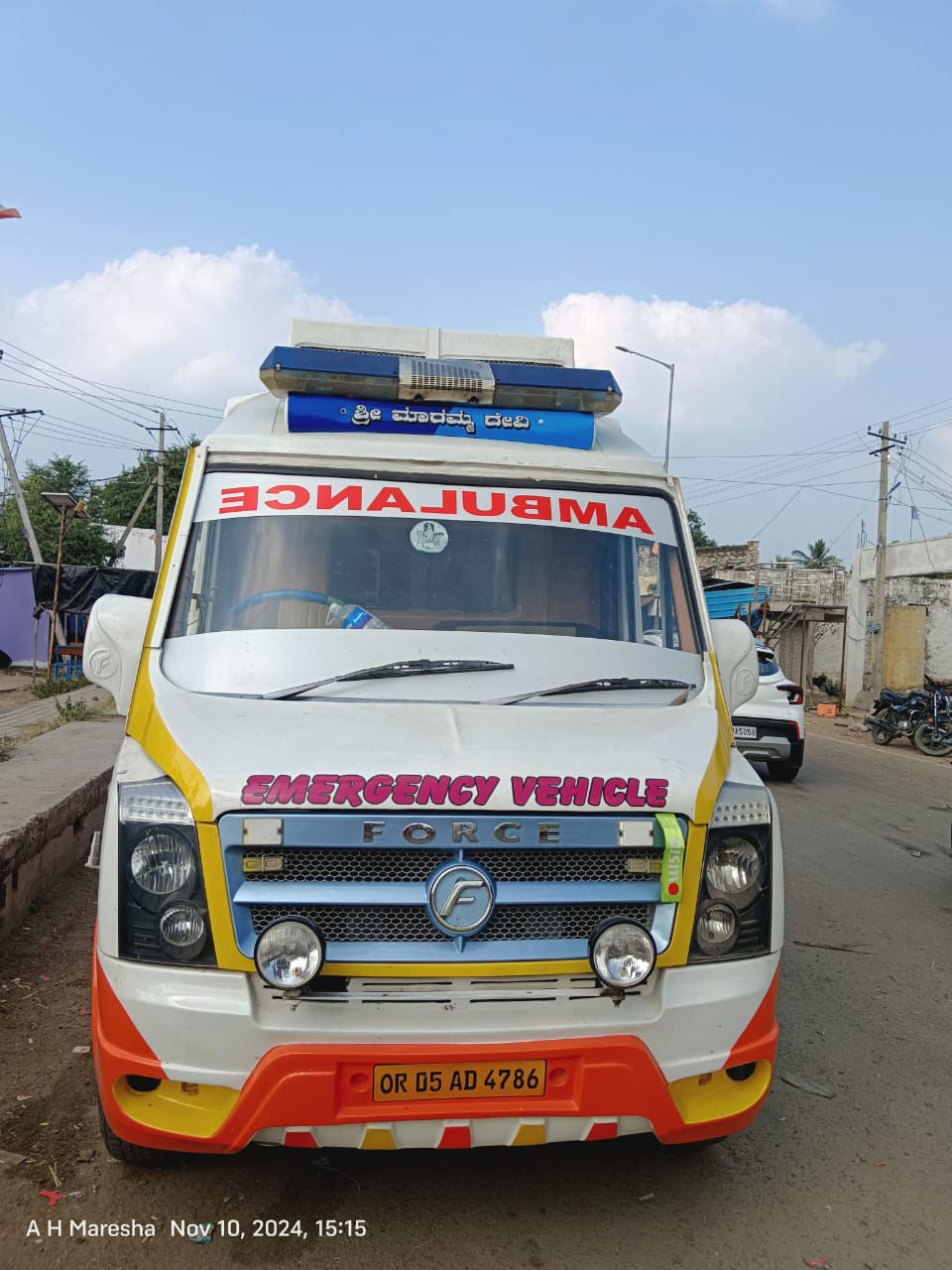
Best Ambulance Service in Bangalore play a critical role in saving lives and providing immediate medical assistance during emergencies. They are the first line of defense in medical crises, bridging the gap between the accident site or home and the hospital. Designed to respond swiftly to emergencies, these services are equipped with advanced medical equipment and staffed by trained professionals who ensure prompt care for patients in critical situations.
Types of Ambulance Services
Ambulance services are broadly categorized into emergency and non-emergency services. Emergency ambulances cater to situations like accidents, cardiac arrests, strokes, or any medical condition requiring immediate intervention. These ambulances are equipped with life-saving equipment such as oxygen cylinders, defibrillators, ventilators, and essential medications. Additionally, they are staffed with paramedics or emergency medical technicians (EMTs) trained to provide pre-hospital care.
Non-emergency ambulance services, on the other hand, focus on patient transport for routine medical appointments, hospital discharges, or transferring patients between healthcare facilities. These ambulances provide a comfortable and safe environment for patients who may not require urgent medical intervention but need professional assistance during transit.
Importance of Ambulance Services
Rapid Response: Ambulance services are designed to reach patients quickly, minimizing the time lost in transporting them to medical facilities. This rapid response is often critical in saving lives, especially in cases of severe trauma or medical emergencies.
On-the-Spot Medical Assistance: Paramedics and EMTs on board provide immediate care, stabilizing patients before they reach the hospital. This includes administering CPR, controlling bleeding, or managing other life-threatening conditions.
Safe Transport: Ambulances ensure patients are transported safely and comfortably, reducing the risk of further injury or complications. The vehicles are designed to handle medical emergencies on the go.
Access to Remote Areas: In rural or remote regions, ambulance services are often the only means of reaching healthcare facilities, making them indispensable in ensuring healthcare accessibility.
Advanced Ambulance Services
Modern ambulance services have evolved significantly, incorporating advanced technology to improve patient care. Many ambulances are now equipped with GPS systems for efficient navigation, telemedicine facilities for real-time consultation with doctors, and specialized equipment for neonatal, cardiac, or trauma cases.
Air ambulances, which include helicopters and fixed-wing aircraft, provide rapid transportation for critical patients over long distances. These are particularly useful in cases of natural disasters, remote-area rescues, or when specialized care is required that is unavailable locally.
Challenges Faced by Ambulance Services
Despite their critical role, ambulance services face several challenges. Traffic congestion in urban areas often delays response times. A lack of awareness among the general public about giving way to ambulances further exacerbates the problem. In rural areas, limited infrastructure and inadequate resources can hinder the availability and efficiency of ambulance services. Additionally, high costs associated with advanced ambulance services can make them inaccessible for some people.
Conclusion
Ambulance services are a vital component of the healthcare system, ensuring timely medical care and saving countless lives. Governments, healthcare providers, and communities must work together to improve the efficiency, accessibility, and affordability of these services. Increased public awareness, investment in infrastructure, and the adoption of modern technologies can significantly enhance the impact of ambulance services, ensuring they remain a lifeline for those in need.


Comments